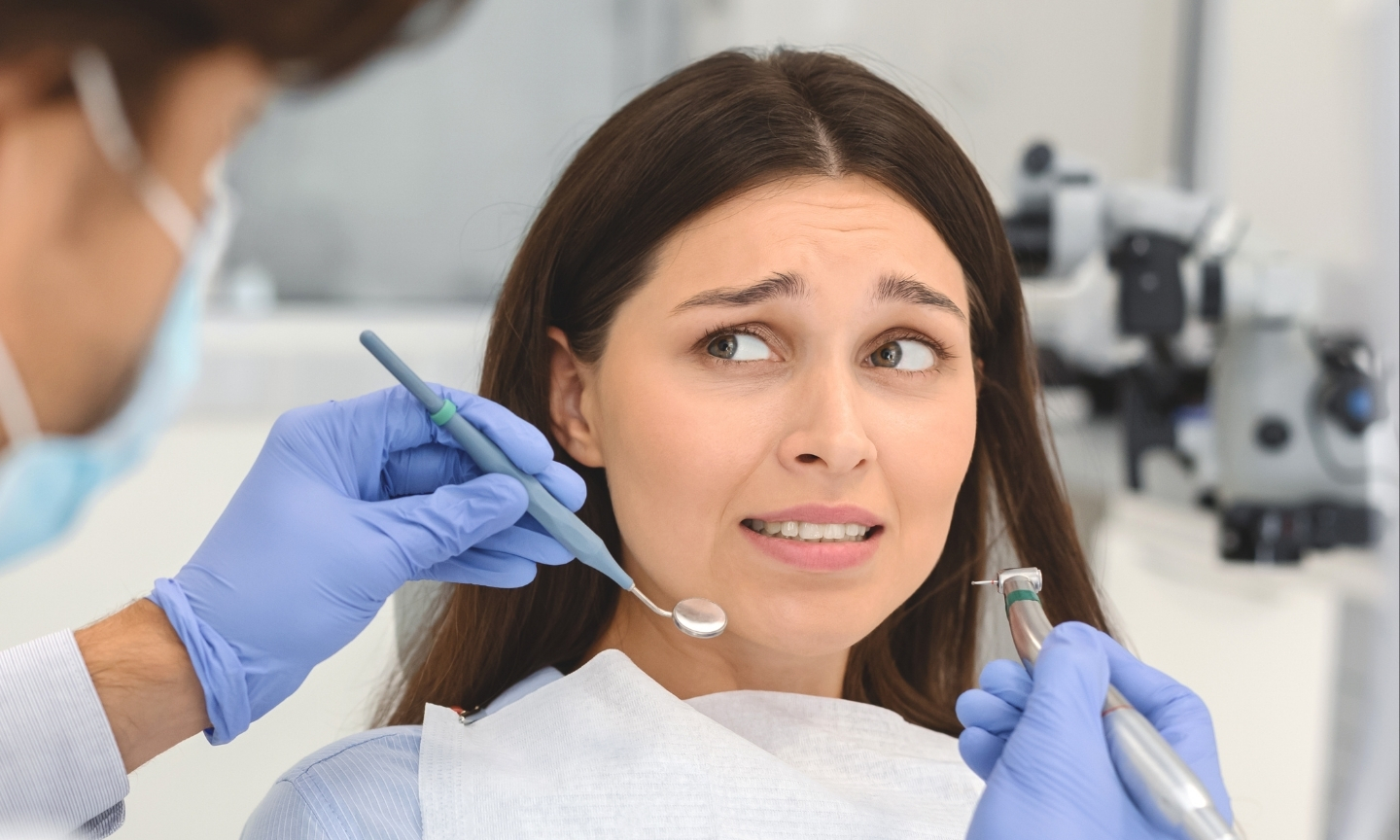
What Is Sedation Dentistry?
—
Sedation dentistry uses medication to help patients relax during dental treatment while remaining safe and closely monitored. Depending on the type of sedation used, you may feel calm, drowsy, or have little memory of your procedure afterward. Sedation is often recommended for patients with dental anxiety, sensitive gag reflexes, difficulty sitting through long appointments, or those receiving multiple procedures in one visit.
Benefits of Sedation Dentistry
—
- Reduces Dental Anxiety
Sedation helps you feel calm and relaxed, making dental visits much less stressful—even if you've avoided treatment for years.
- Greater Comfort
Many patients experience little to no awareness of the procedure, making treatment feel easier and more comfortable.
- Complete More Treatment in Fewer Visits
Sedation often allows multiple procedures to be completed during a single appointment, reducing the number of visits you need.
- A Better Dental Experience
Feeling relaxed during treatment can help build confidence and make future dental appointments much easier.
Our Sedation Options
—
- Nitrous Oxide (Laughing Gas)
Nitrous oxide is a mild form of conscious sedation that's inhaled through a small mask placed over your nose. It helps you feel calm and relaxed throughout your appointment while allowing you to remain awake and responsive. Once the gas is turned off, the effects wear off quickly, and most patients are able to drive themselves home afterward.
- Oral Conscious Sedation
Oral sedation involves taking a prescribed medication before your appointment to help you feel deeply relaxed during treatment. Although you'll remain awake and able to respond, many patients remember very little of the procedure afterward. Because the medication takes time to wear off, you'll need a responsible adult to drive you to and from your appointment.
Who Can Benefit From Sedation Dentistry?
—
Sedation dentistry may be a great option if you:
- Experience dental anxiety or fear
- Have had difficult dental experiences in the past
- Need extensive dental treatment
- Have a strong gag reflex
- Have difficulty sitting comfortably for long procedures
- Have sensitive teeth or difficulty becoming fully numb
- Avoid dental care because of fear or anxiety